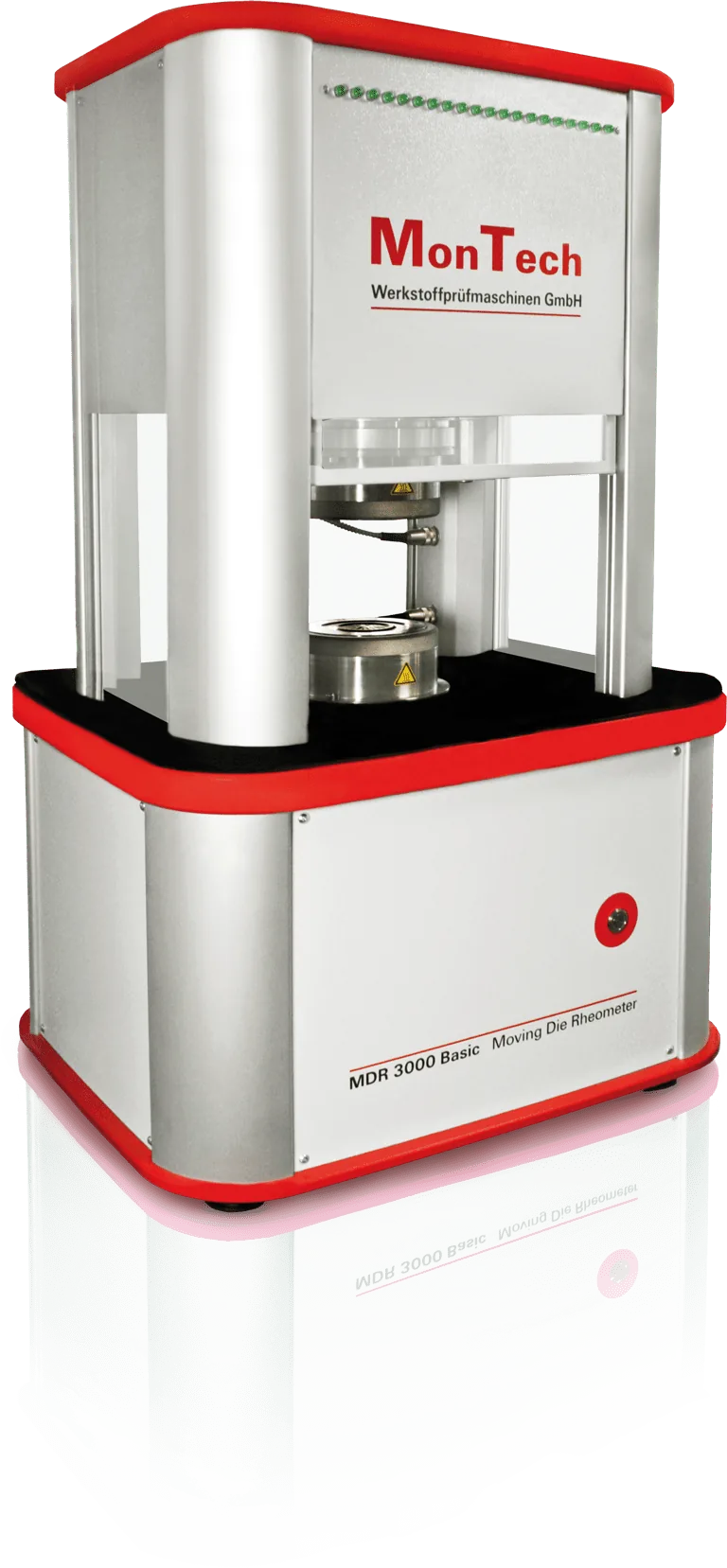
MDR 3000 Basic Moving Die Rheometer
Compact, entry model instrument for repetitive quality control testing as well as simple R&D applications.
Compact, entry model instrument for repetitive quality control testing as well as simple R&D applications.
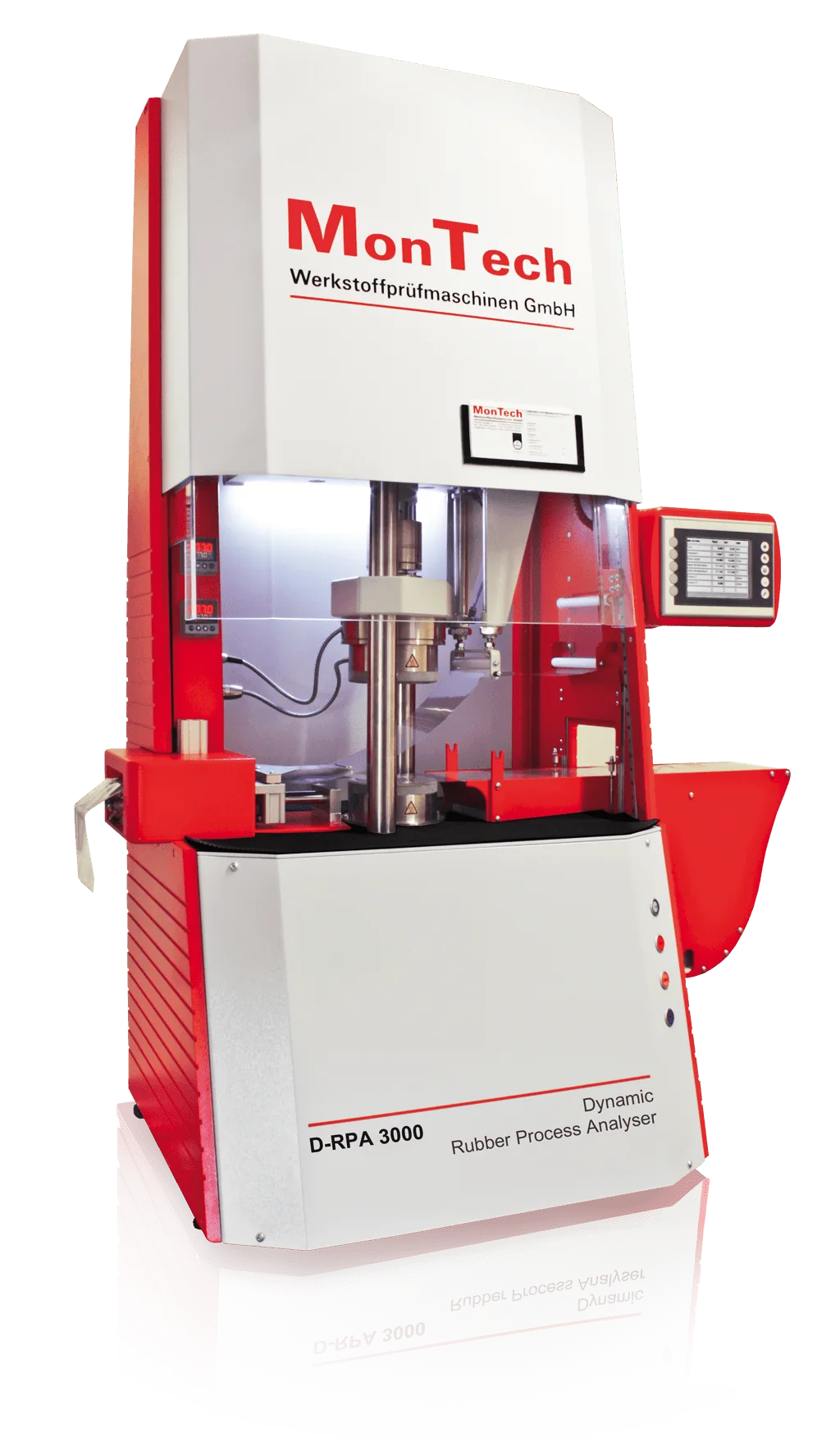
High-end instrument for demanding static and dynamic testing in QC and R&D with a huge set of customizing options. This enables testing capabilities that have not been possible to measure in a Rheometer before, such as die gap regulation, High-speed data acquisition (FT-Rheology), low-temperature cooling, …
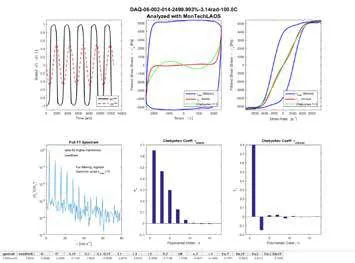
MonKinetics The MonTech Kinetics software package allows the calculation of important material data which is required for process modelling and simulation. This includes activation energy, incubation time, ... on isothermal and non-isothermal cure processes. Based on acquired temperature profiles a accurate cure and conversion rate simulation can be performed. The additional “Online cure simulatio
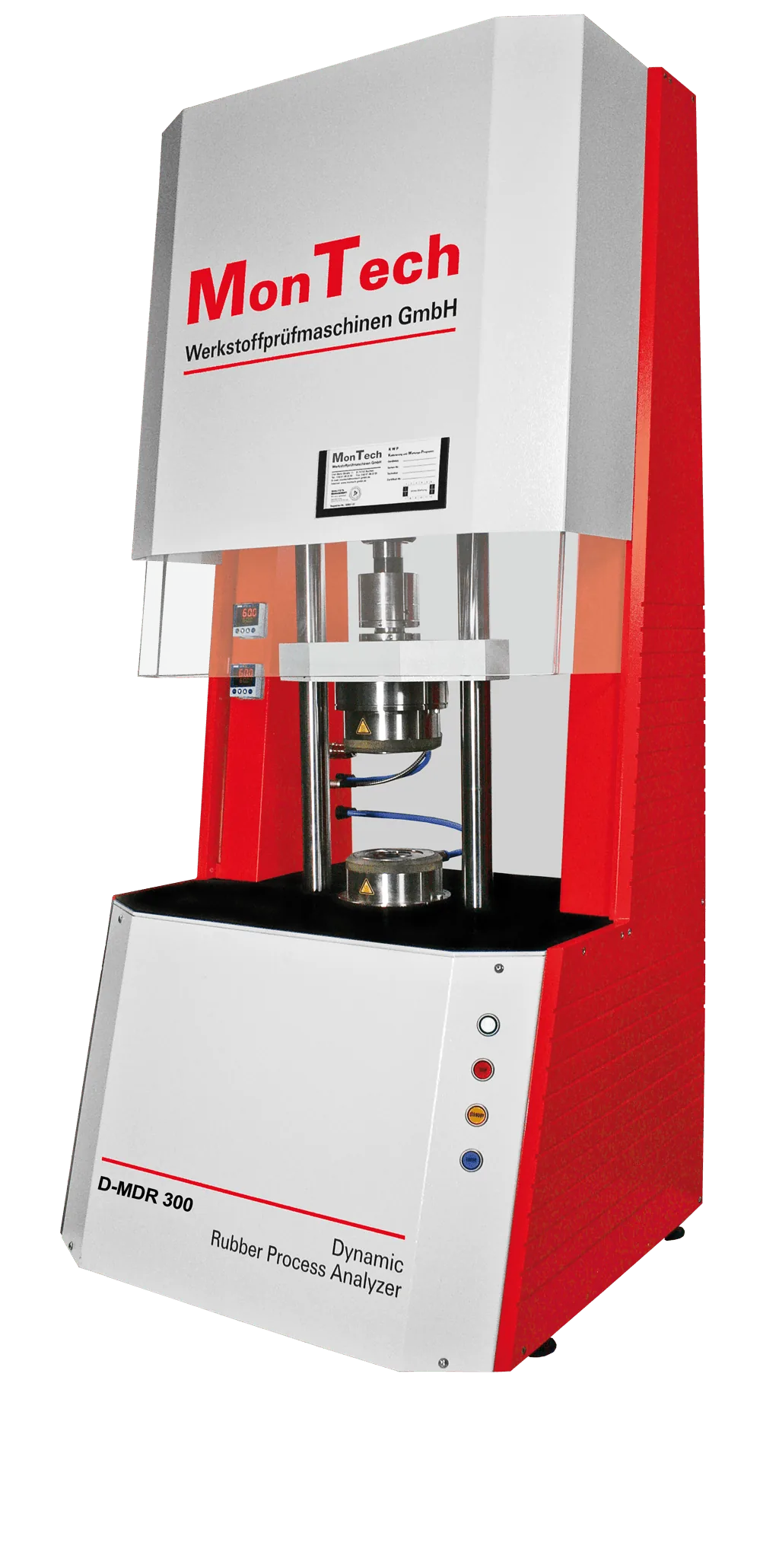
Top model for advanced dynamic testing of all kinds of rubber, rubber-like, curing or crosslinking materials. This includes TPE, TPV, LSR, Composite materials, Polyolefins, ...
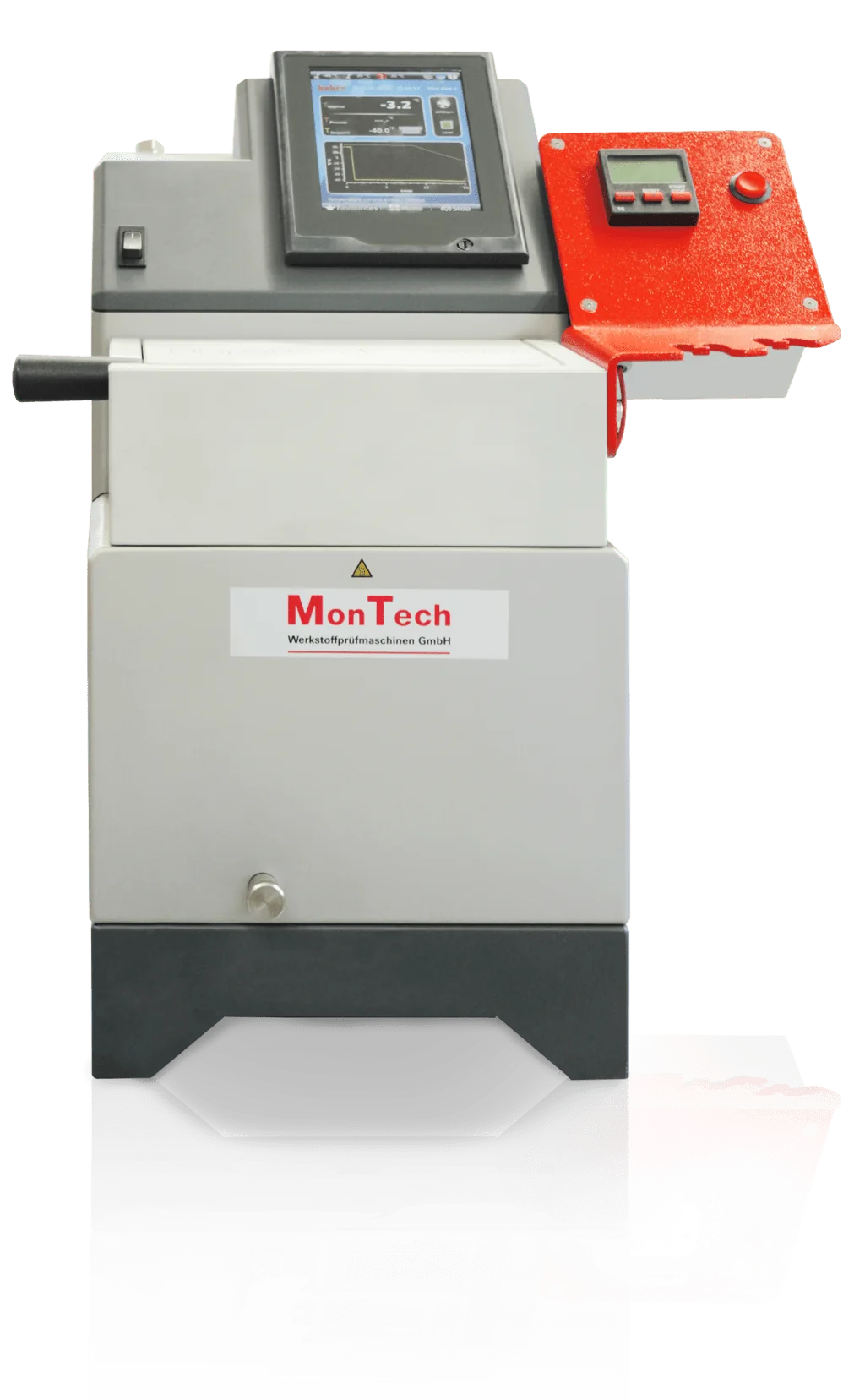
The DisperCool 3000 is used for deep-freezing test samples to about glass-transition temperature prior to sample cutting. This patented system is specifically designed for Dispersion Testing to ensure a perfect test sample preparation and highest quality of the samples surface area.
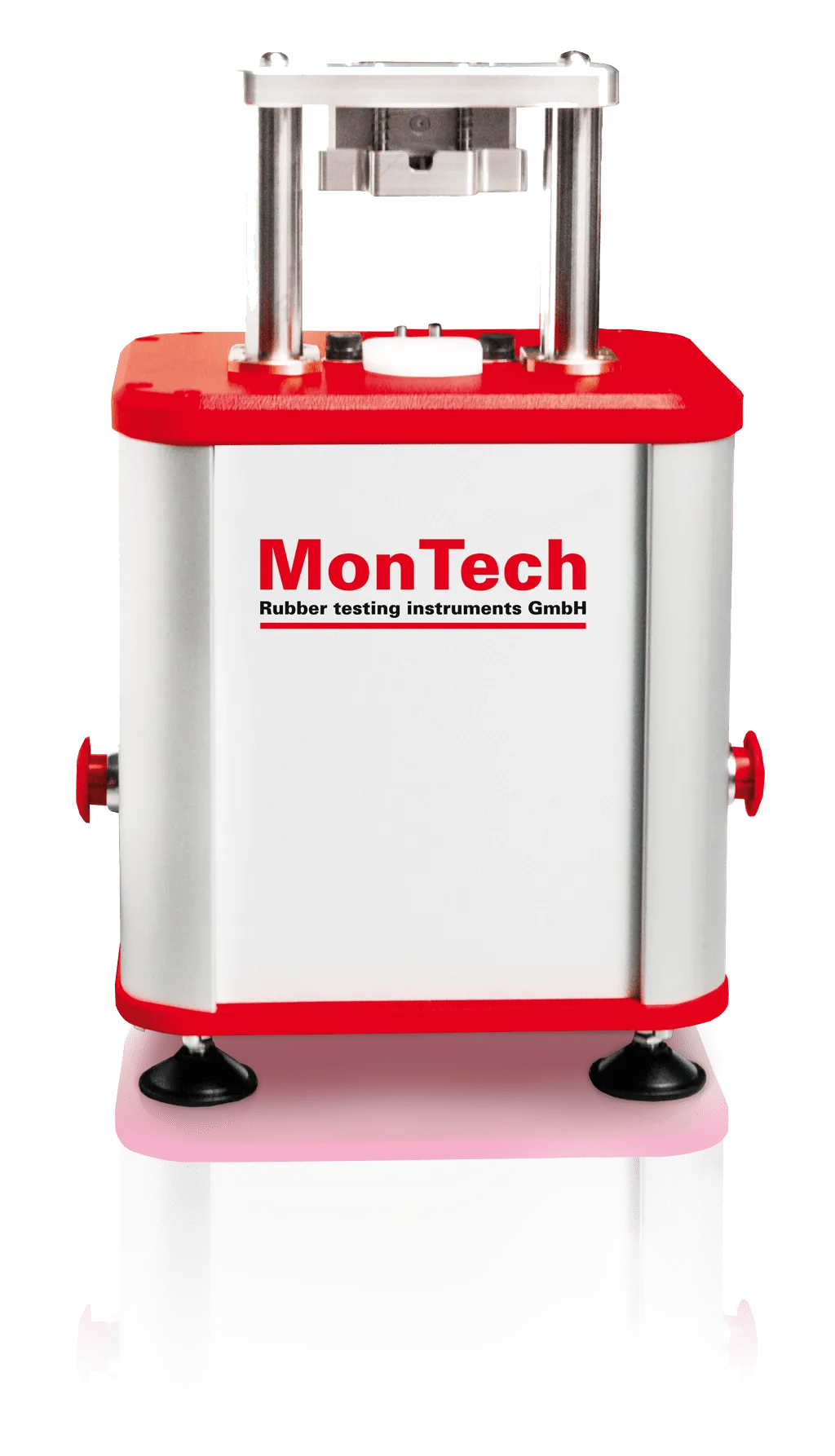
The DisperCut 3000 is the most accurate and effective way for preparing fine cut samples of cured and uncured rubber for dispersion testing applications. The sample is stretched while cutting to avoid any smearing or contamination of the cut surface. Precise sample cuts can be prepared in less then a second. For highest operator safety, the unit is fitted with two hand safety operation with anti-tiedown as well as automatic knife cover.
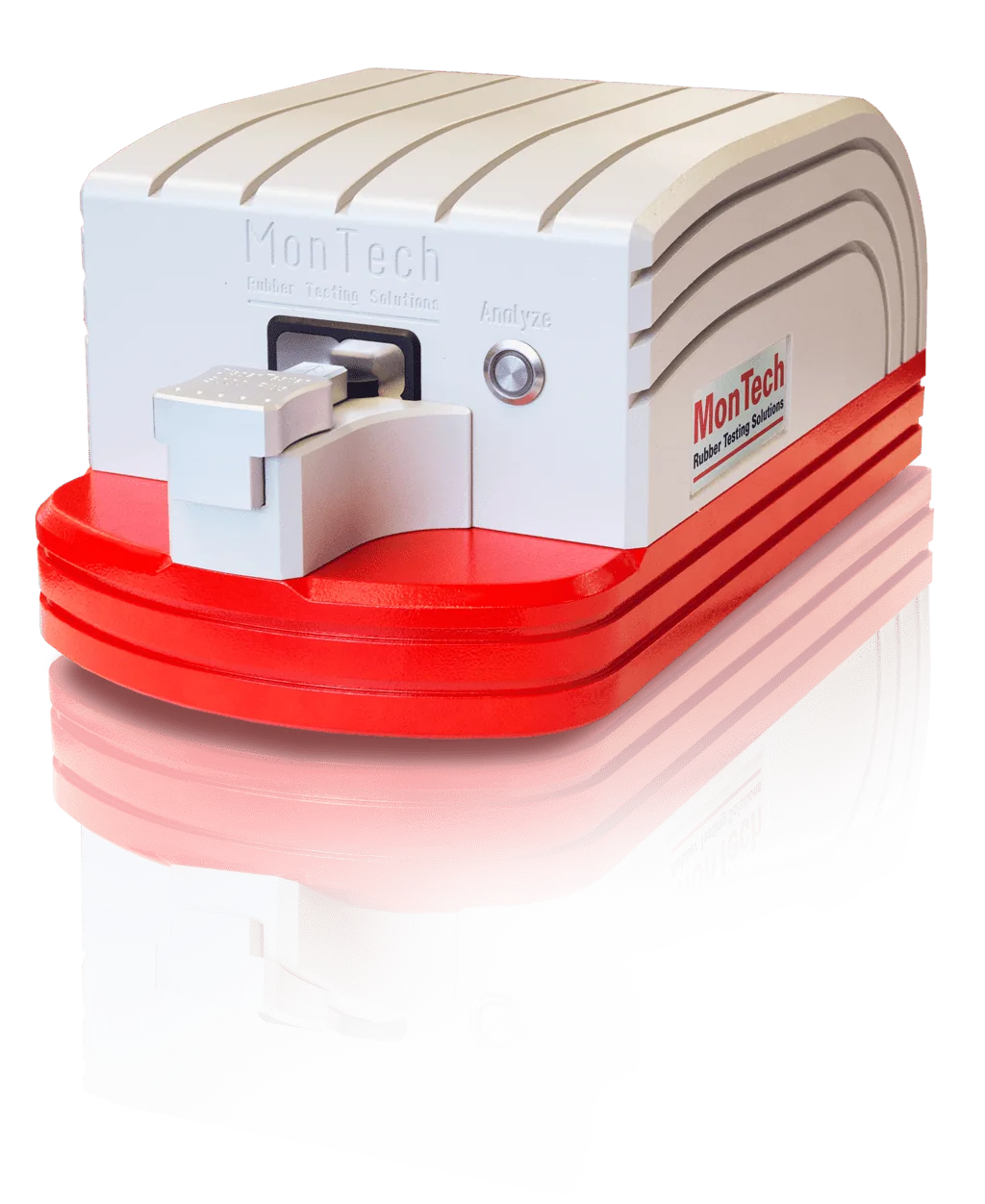
The MonTech DisperTester 3000 Plus is the newest model of carbon black dispersion tester - computer aided, advanced digital reflected light microscopy brought to the next level. The DisperTester 3000 Plus is the most advanced instrument for reliable filler dispersion analysis based on the superior compliance, reproducibility and repeatability well known from the DisperTester 3000 series.
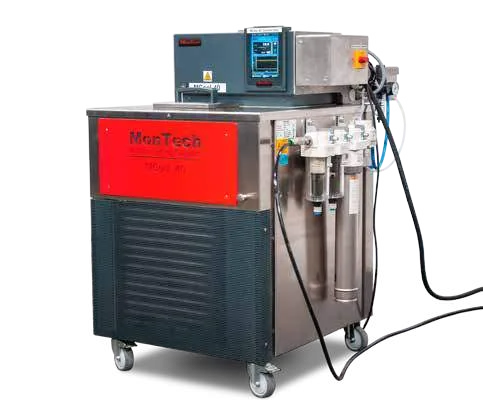
From viscous to elastic, from latex to composites, the MonTech Rubber Process Analyzer D-RPA 3000 can analyze the dynamic mechanical properties for a wide Phase Shift TanDelta range of rubber, elastomers and other viscoelastic materials. The sample is compressed in a closed die cavity between two biconical heated dies - a high-force direct drive torque motor mounted to the lower die generates a dy
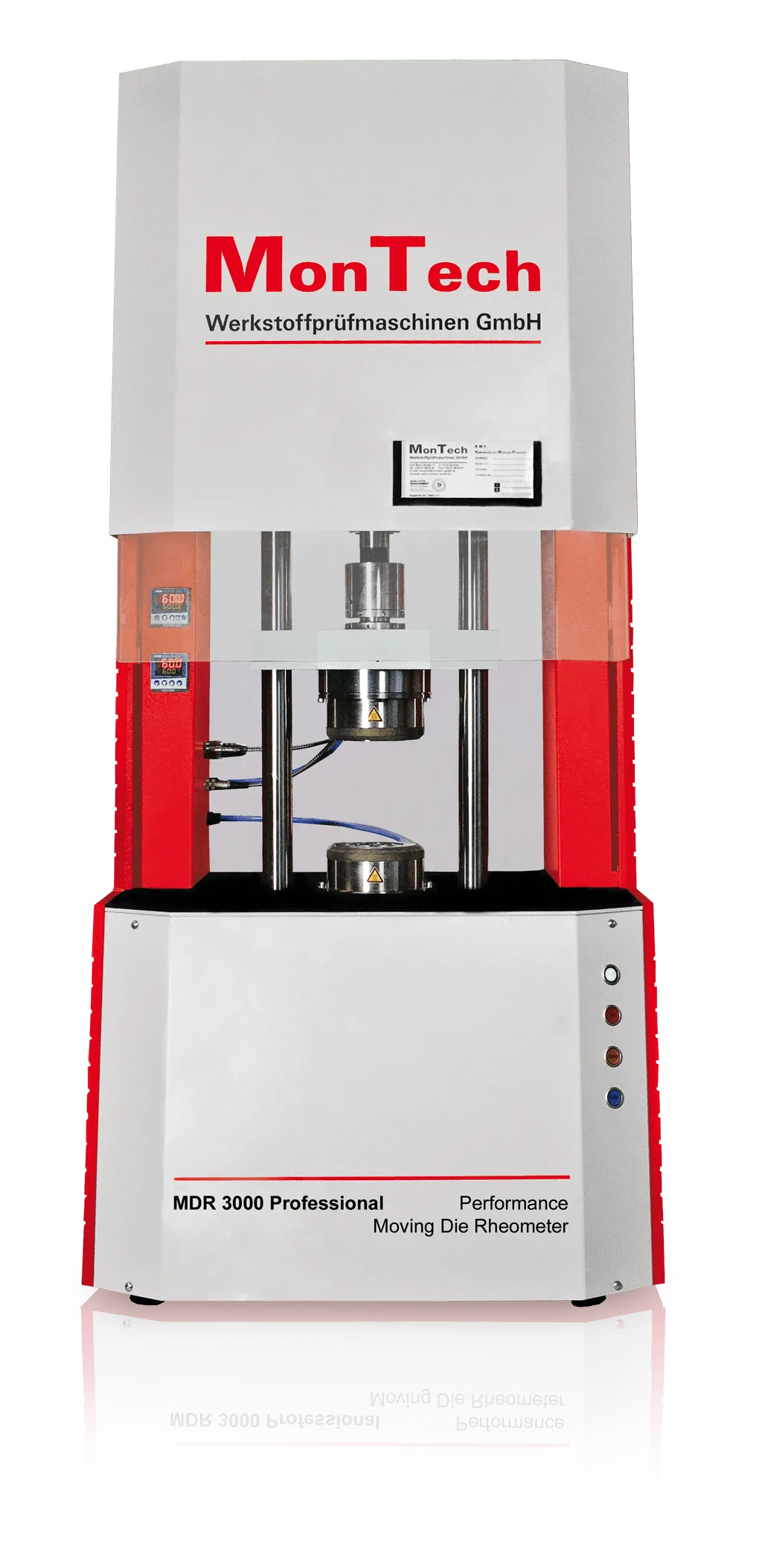
Entry model instrument in the Rubber Process Analyzer (RPA) technology. The MDR 3000 Prof. can be operated either in static testing mode (MDR) or also in dynamic testing mode (RPA).
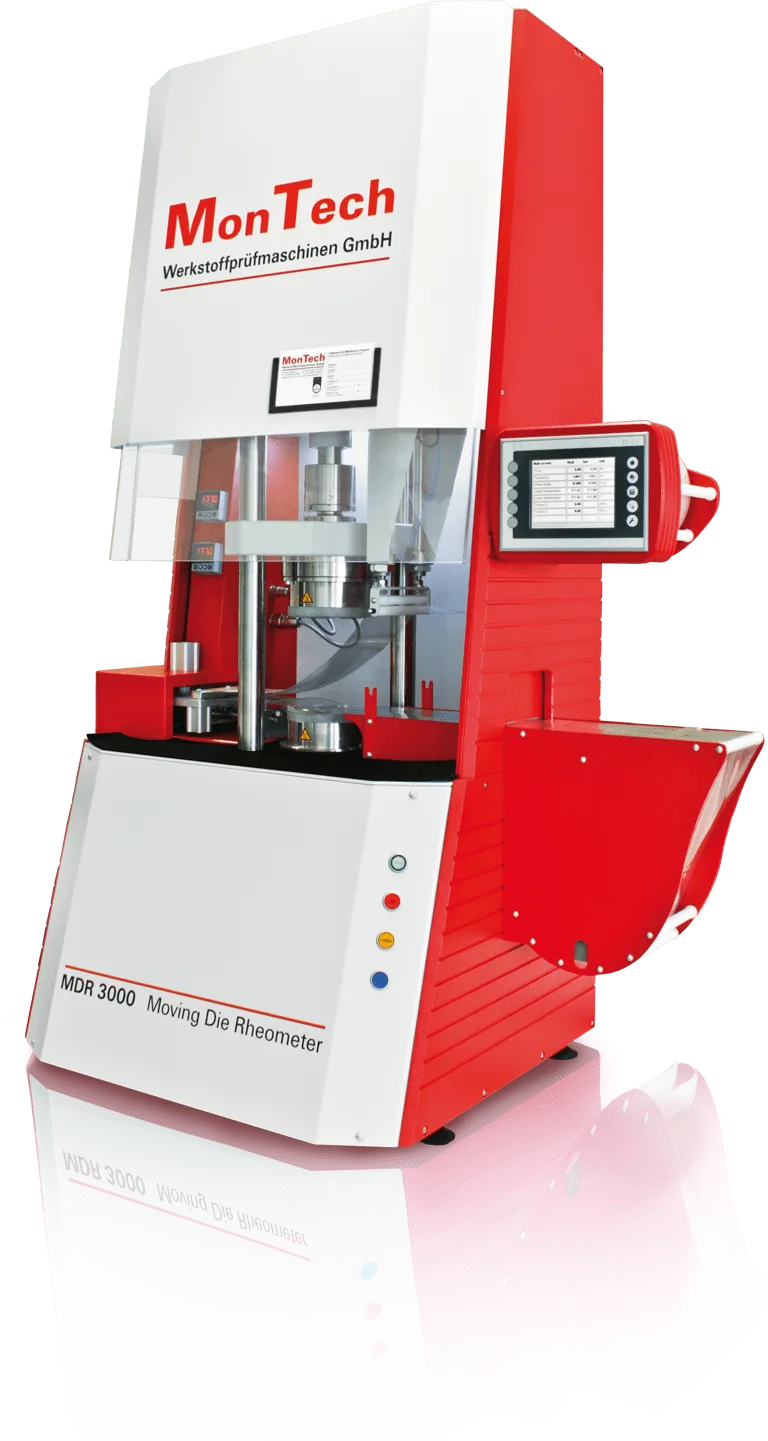
The MDR 3000 is the industry standard for measuring the viscoelastic properties of polymers and elastomeric compounds before, during and after cure. The acquired data is gives advanced information about processability, cure characteristics, cure speed, as well as the behavior of the compound after-cure at fixed, user selectable strain rates.
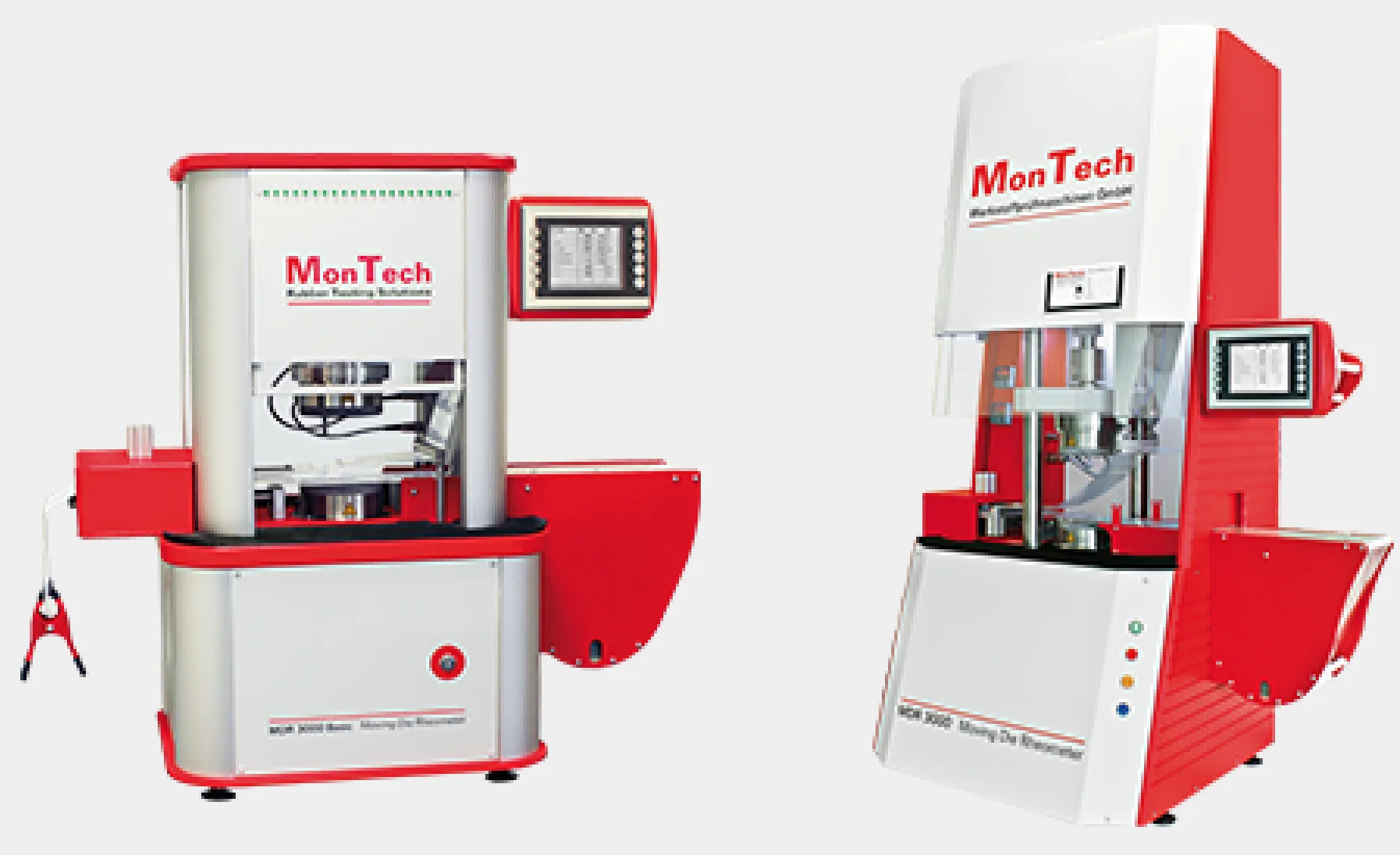
All MonTech Moving Die Rheometers as well as Rubber Process Analyzers can be easily automated, allowing customers to increase productivity and release operators for other important tasks.
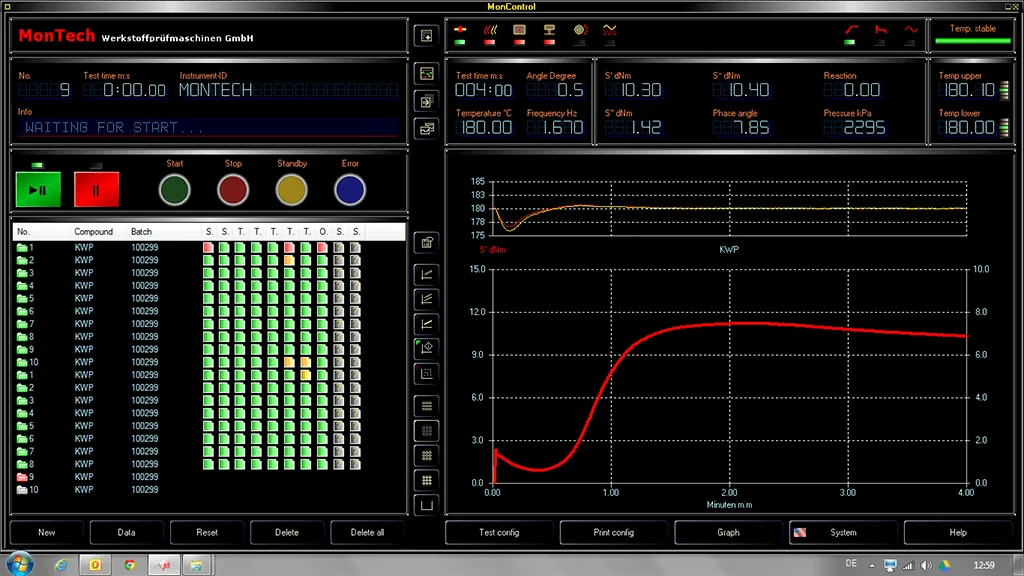
The most easy-to-use and versatile instrument control software
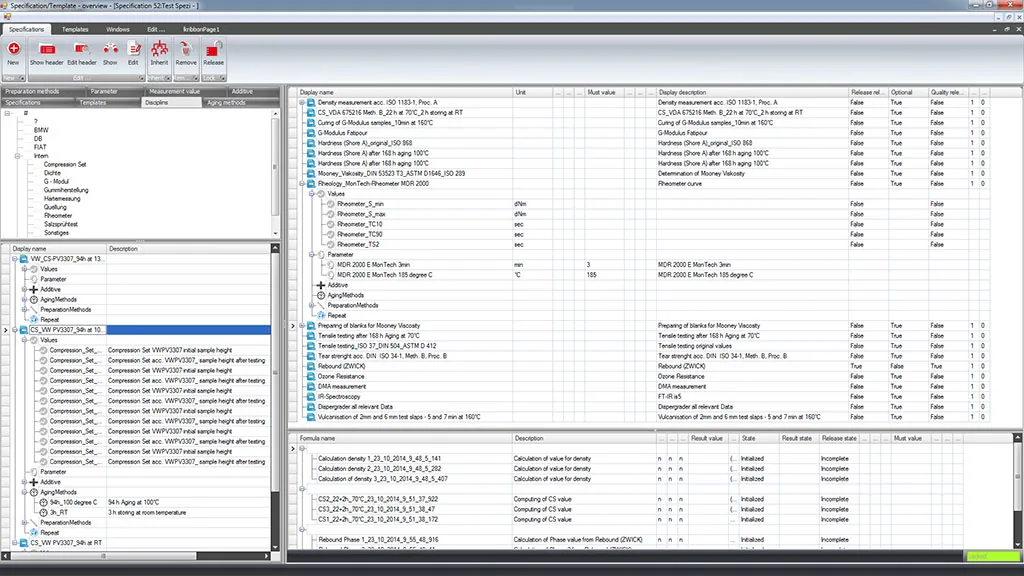
A fully integrated Laboratory Information Management System
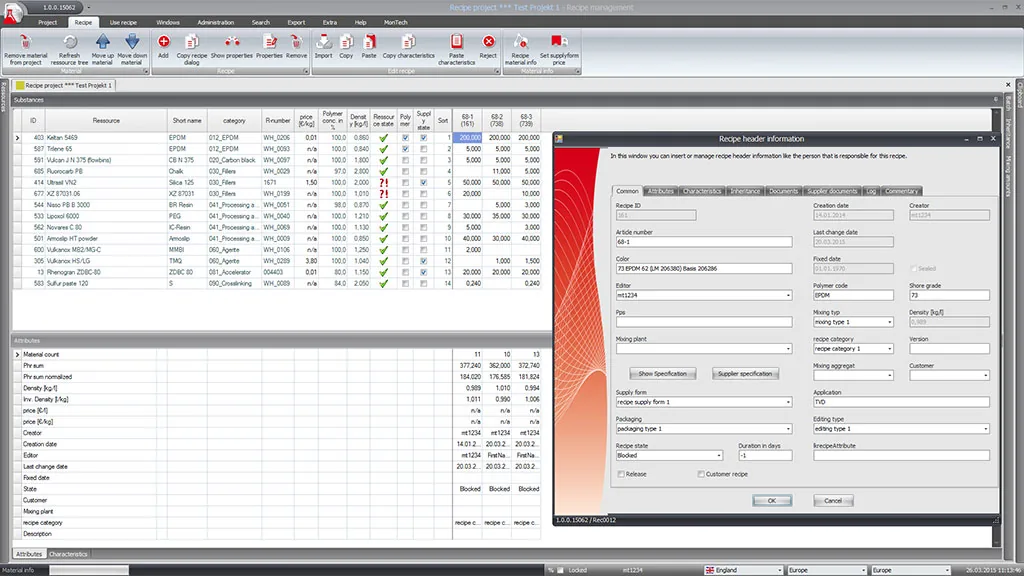
Bringing consistency and traceability to your Compound and Recipe development processes
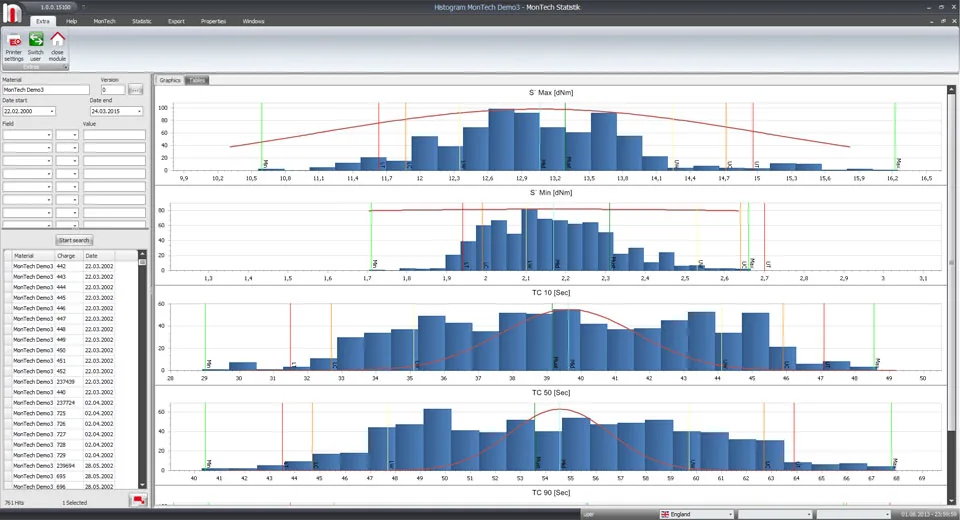
The innvoative Statistical Process Control (SPC) and reporting solution
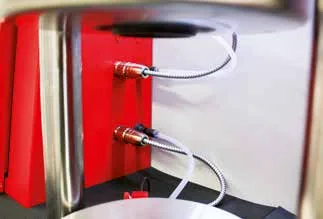
Expand measurement capabilities and increase instrument flexibility with MonTech's unique instrument options: Cooling options Pneumatic cooling system Both test dies are cooled separately by a PID-controlled forced air cooling system. This system can be used to rapidly cool the Viscometer from a higher testing temperature (e.g. testing Mooney Scorch at 160°C) to a lower testing temperature (e.g. M
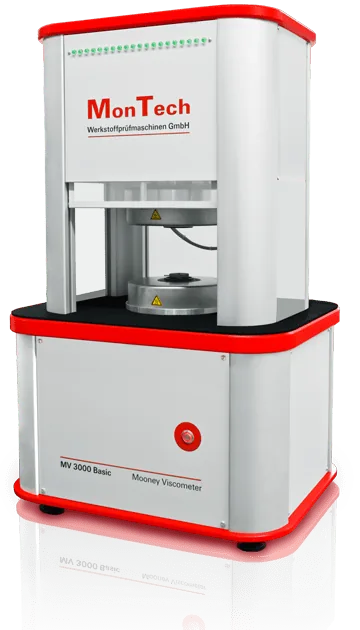
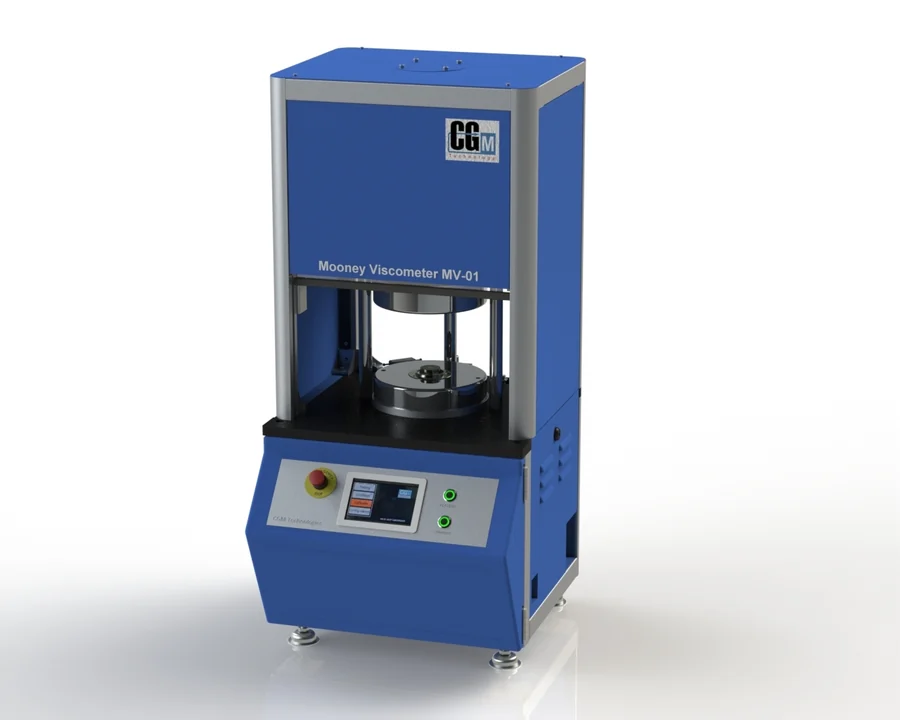
A rotational shear viscometer according to Mooney for performing Viscosity tests (ML / MS 1+X), Stress Relaxation testing, Mooney Scorch, Delta Mooney testing on polymers as well as rubber compounds for quality control, research and development applications.
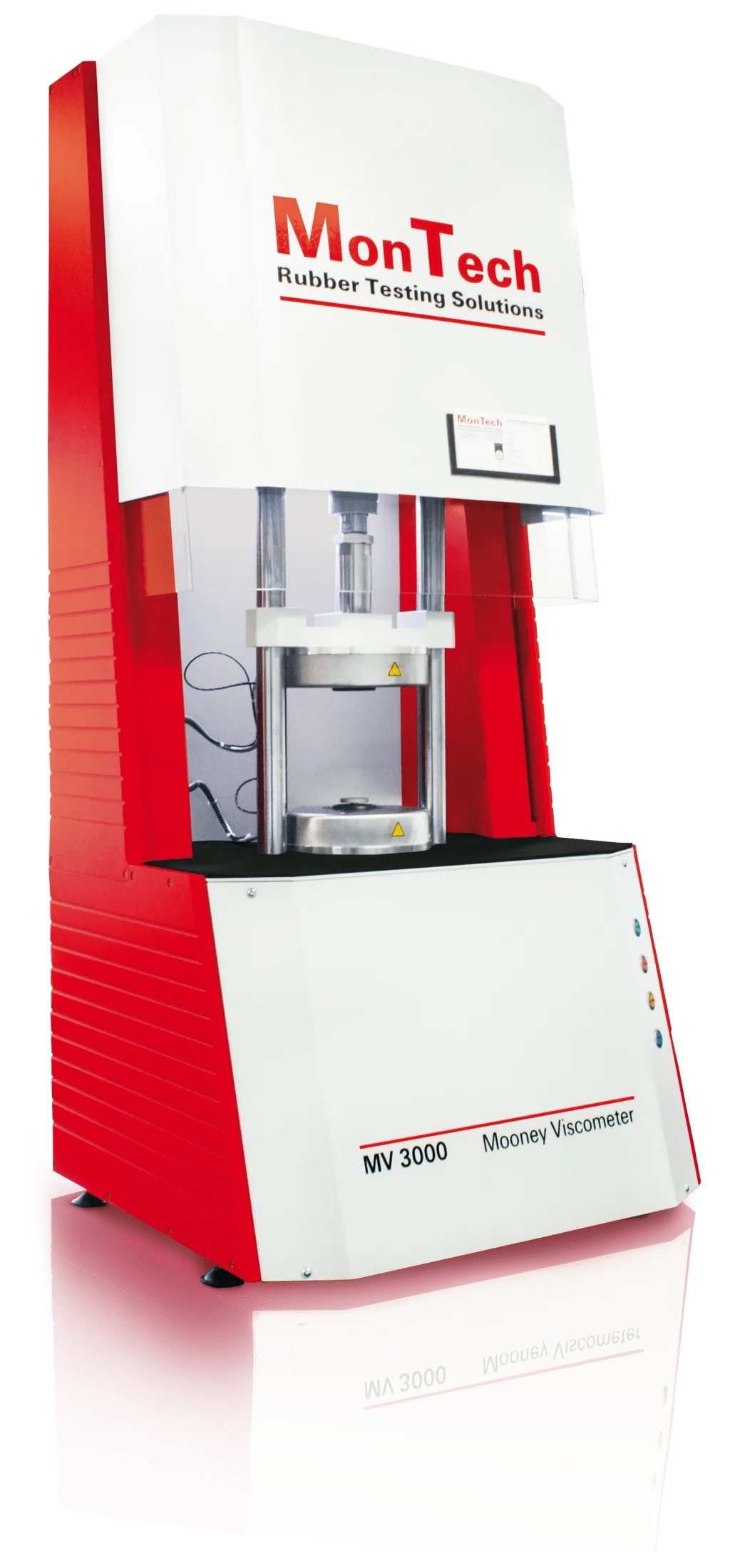
Standard instrument for QC and R&D testing according to international standards.
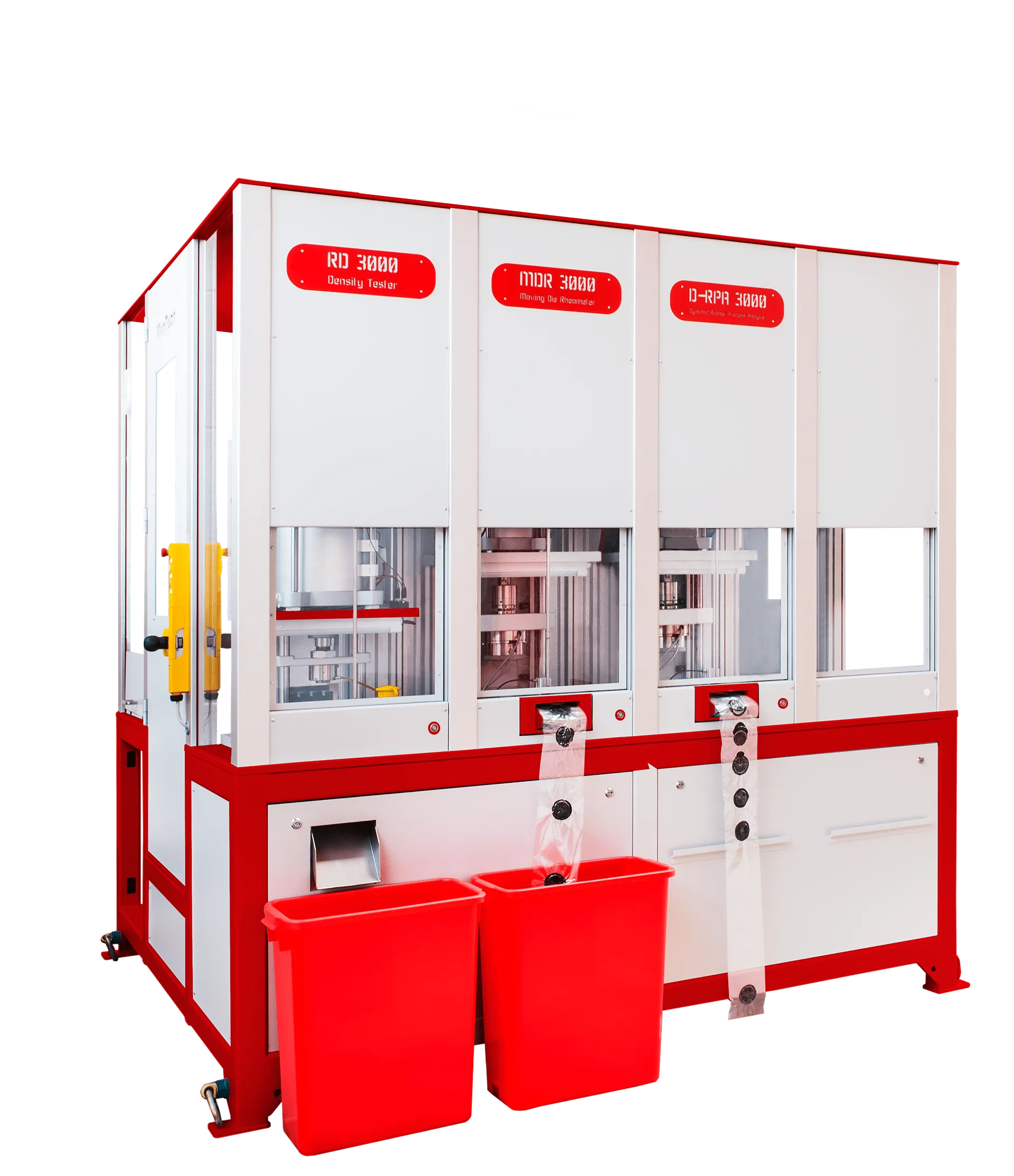
MonTech's Online Rubber Testing Cell is the most advanced and only true automated testing solution for high-capacity mixing operations. With Online Testing Cells installed on over 90+ mixing lines globally, MonTech is the world's expert and leader in automated testing technology.
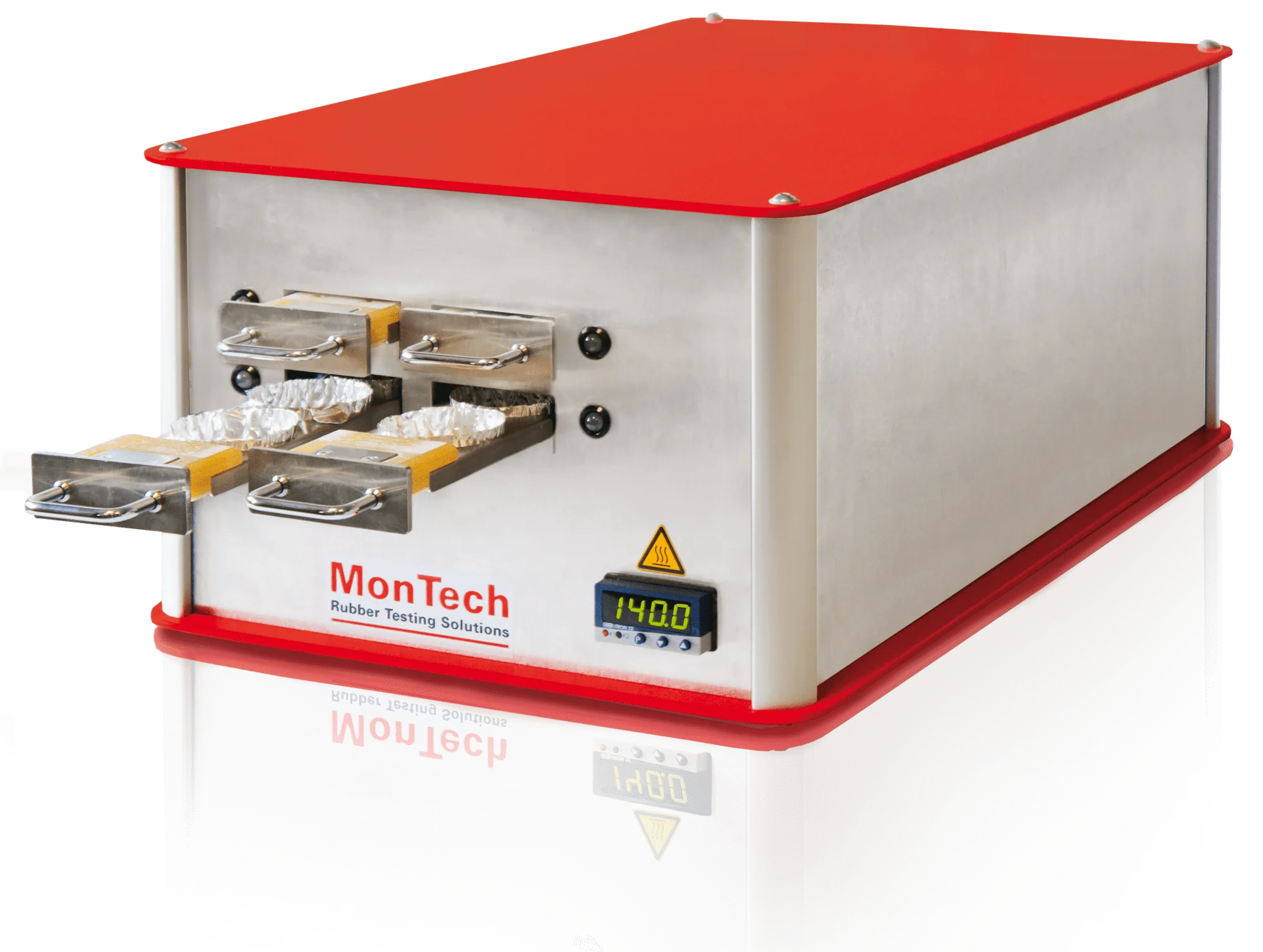
The MonTech ageing oven for plasticity testing ages rubber in accordance with international testing standards. In conjunction with the MonTech Plastimeter, it allows the user to determine the Plasticity Retention Index (PRI) of raw natural rubbers.
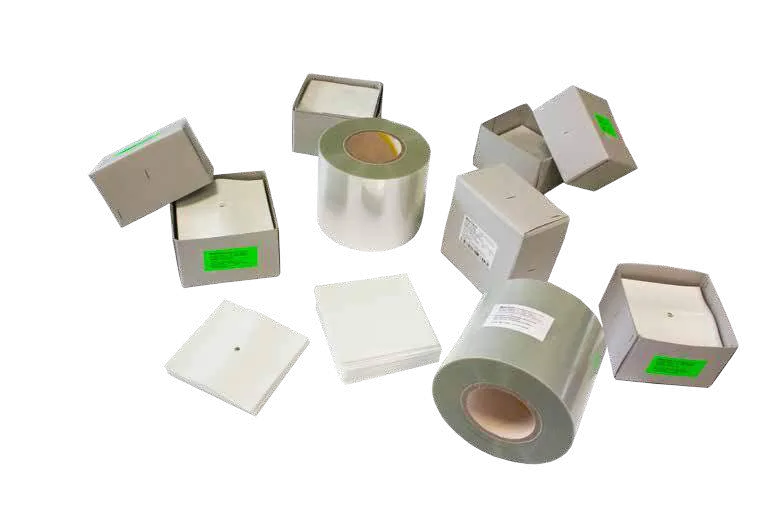
MonTech advanced testing films Films available from stock include: have been precisely developed and are typically used for Rheometers, Pre-cut sheets of Polyester films for Rheometer and Mooney testing: Supplied with or without separation paper in several formats readily Mooney Viscometer testing applications as well as cure wrapping and available. Optionally also available with center-borehole
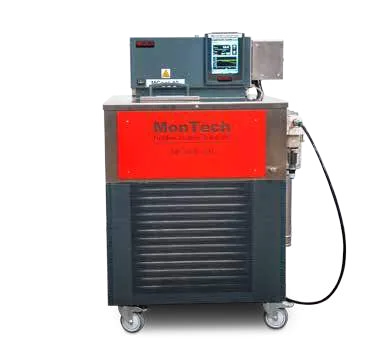
Cooling systems Pneumatic cooling system Both chambers are cooled separately by a PID-controlled forced air cooling system. In MDR mode this system can be used to rapidly cool the instrument from a higher to any lower testing temperature and therefore significantly reduce non-productive time of the instrument as well as shorten stabilization and operator waiting times. Forced air cooling systems e
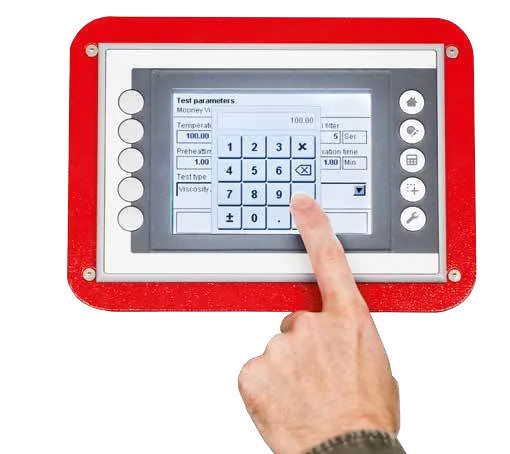
Increase productivity and efficiency of your testing system with MonTech's unique data and productivity options: Data / IT options Productivity options Integrated Industial computer Enhanced instrument protection From harsh mixing plants to cleanrooms, special environments Explosive, corrosive, cleanroom or other critical environments demand special encapsulation and protection of the computer are
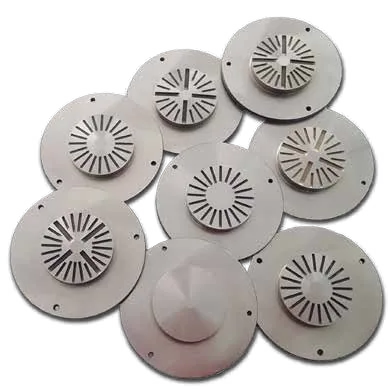
MonTech quick change test dies for Rheometers - are waiting your testing challenge! Offering the largest test dies selection in the market available test die geometries include 8 types according to different international and industry standards as well as over 30 application specific die designs. This allows the combination of dies in many different test setups such as double cone, plate-cone and
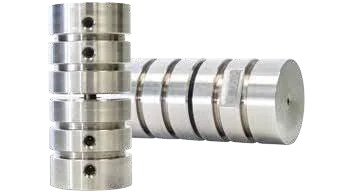
MonTech offers a full range of high precision, internationally traceable reference calibration standards for instrument calibration and verification purposes. Torque calibration standard MonTech’s advanced, fully elastic torsion torque standards have been specially developed for the highest calibration precision of Moving Die Rheometers. Compression as well as clamping types are available. Torque
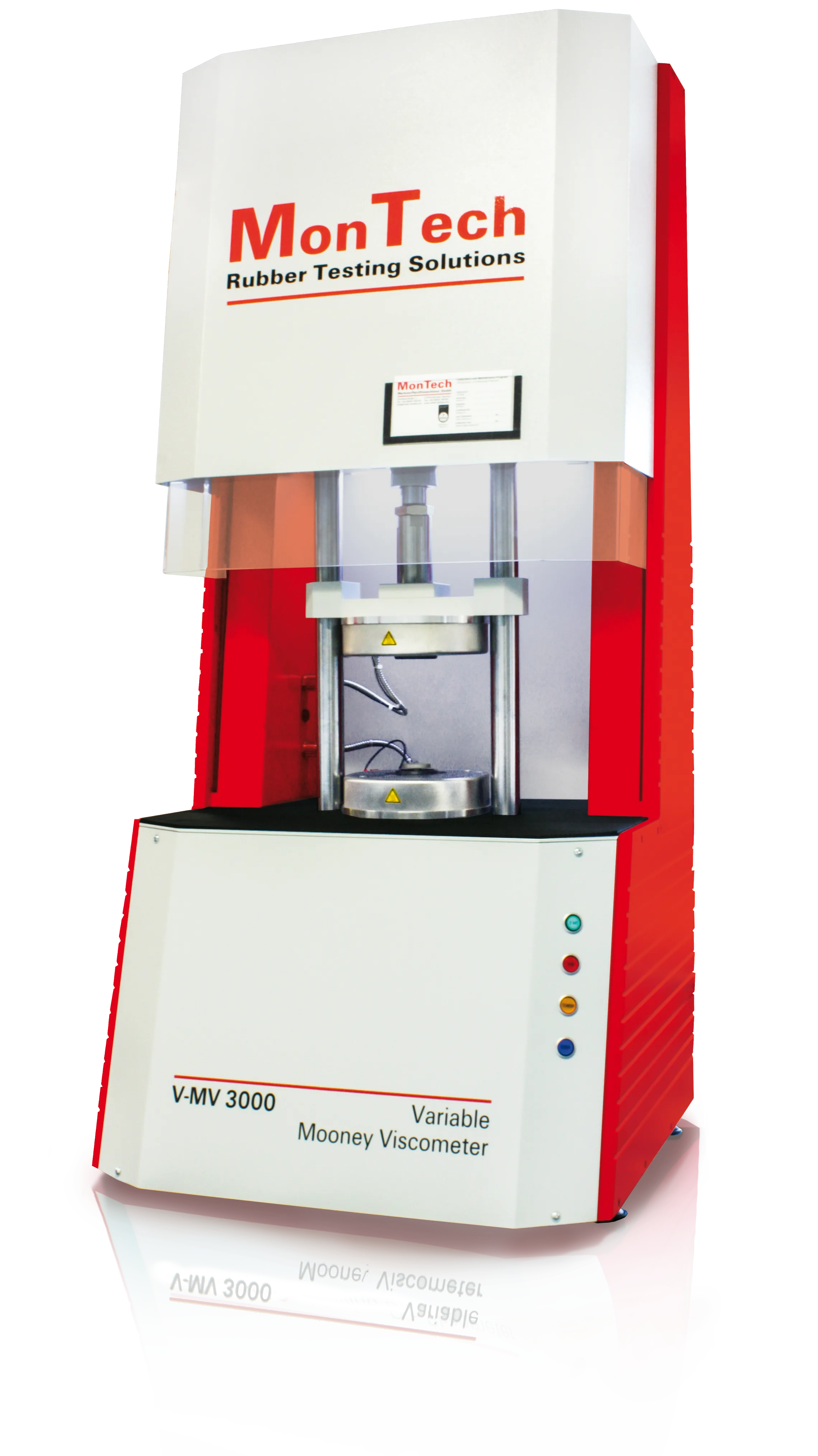
High-end instrument for QC as well as dynamic R&D testing with maximum flexibility featuring variable rotor speed and temperature sweeps as well as block programming with multi-step stress relaxation.
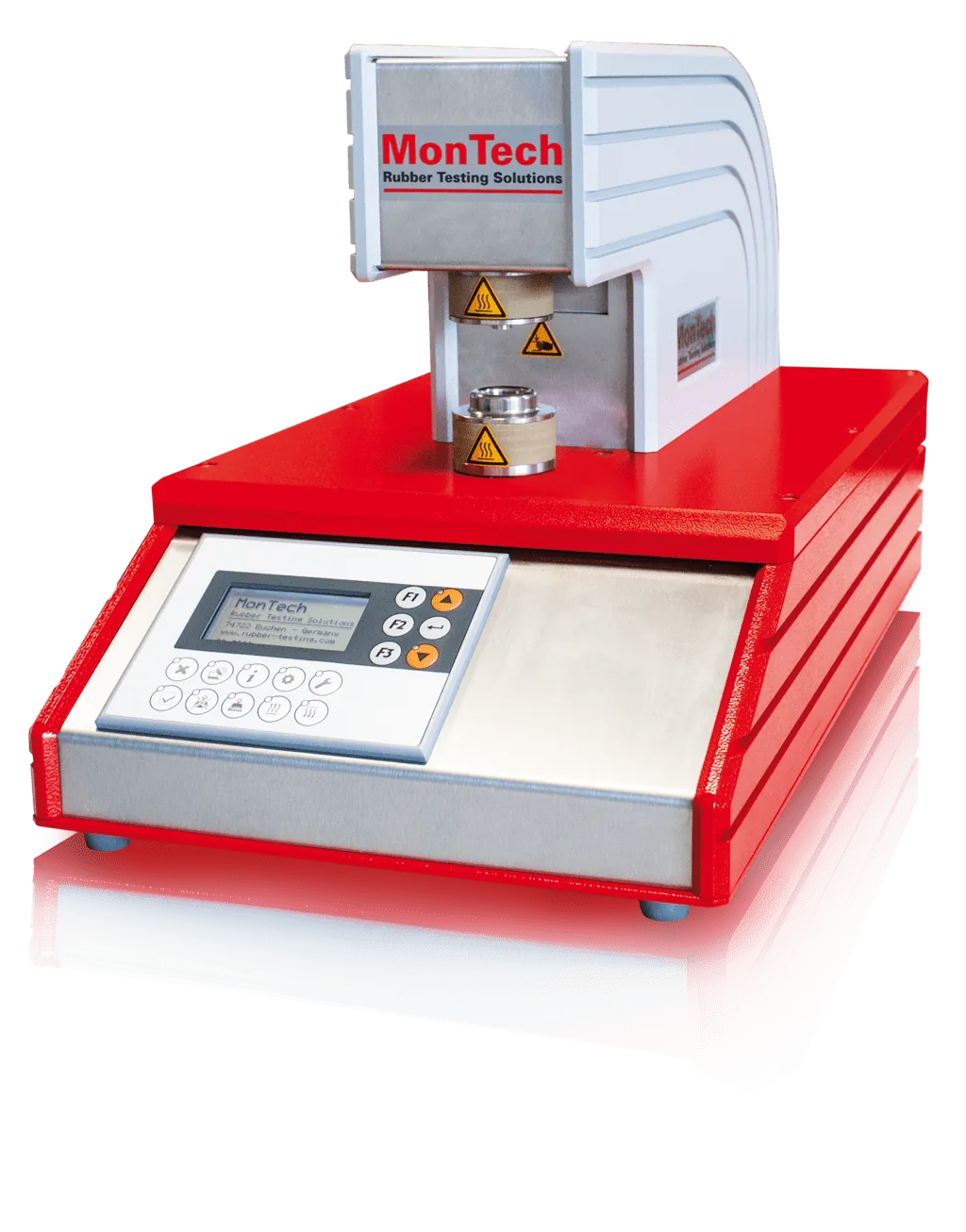
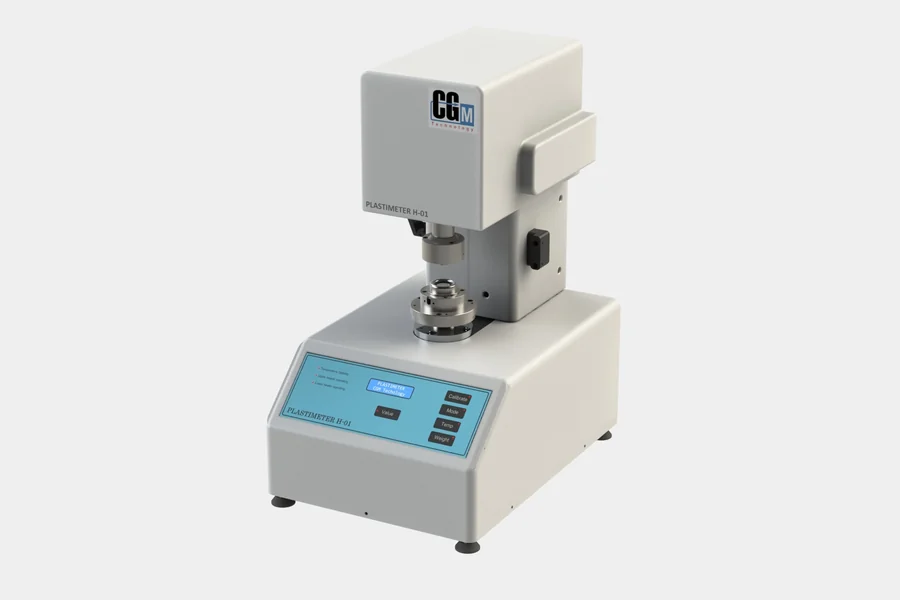
The MonTech Rapid Plastimeter measures the plasticity, flow and viscosity of polymers and unvulcanized rubbers. The instrument is typically used in conjunction with the MonTech Ageing oven AO 3000 for plasticity testing to determine the Plasticity Retention Index (PRI) of raw natural rubbers.
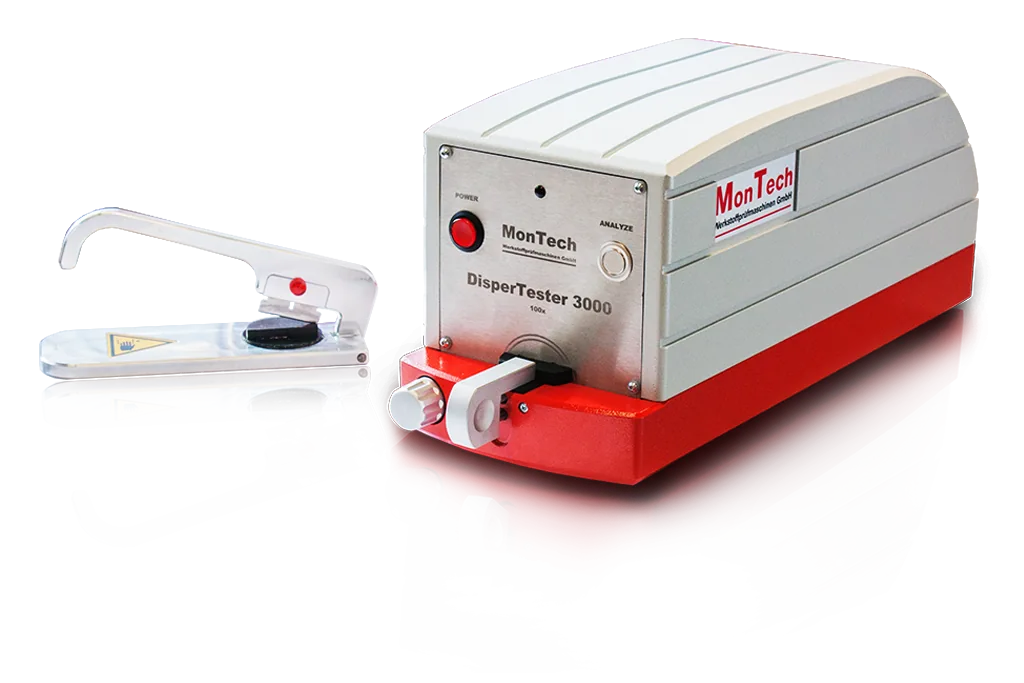
The MonTech DisperTester 3000 is the most easy to use instrument for filler dispersion analysis; providing superior compliance, reproducibility and repeatability. The DisperTester provides accurate, repeatable results in seconds for both vulcanized and uncured rubber compounds that are applicable to the process, allowing quick and easy testing of dispersion compared to other optical techniques which often take hours to perform.
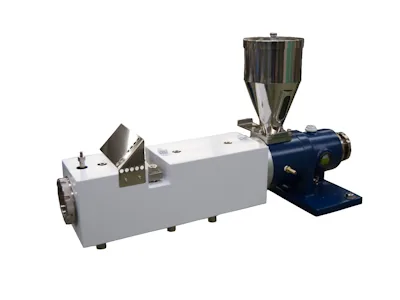
In small size extruder test of Labo Plastomill, in addition to detecting torque, the pressure and temperature (maximum 4 points each) are also continuously detected during molding by installing resin temperature sensor and resin pressure sensor in the cylinder or die and the values are displayed on the monitor. Various kinds of molding dies and take-off devices are also available, allowing you to determine molding conditions by simulating and obtain various information such as pressure, temperature, torque, specific energy (MJ/m3) and extrusion amount at each rpm (each shear rate) in addition to detecting mold status such as extrusion mold product’s fish eye, dispersion, transparency and gloss by using a small quantity of sample.
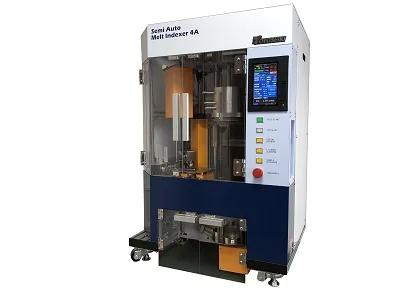
The Semi Auto Melt Flow Indexer is designed for measuring of the MFR (melt mass-flow rate) and MVR (melt volume-flow rate) according to ISO 1133 and ASTM D1238 with semi-automated functions such as loading test weight, residue purging and assisted cylinder cleaning to reduce the burden during operation, ensure operation safety and shortening work time.
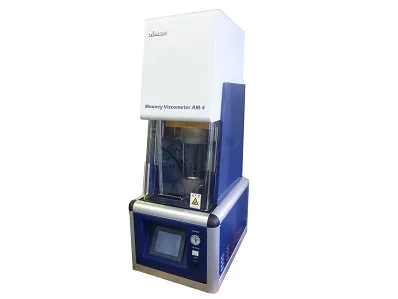
The Mooney Viscometer measures Mooney viscosity and Mooney scorch of un-vulcanized rubber according to ISO 289. Note: Rotorless Mooney Viscometer, RLM-4 does not conform to above testing standards. Options Spare parts Rotorless Mooney Viscometer | 274-RLM-4 The Rotorless Mooney Viscometer model RLM-4 conducts Mooney viscosity test and Mooney Scorch test.
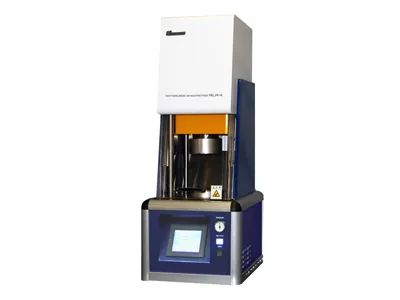
The Rotorless Rheometer (MDR) measures vulcanizing characteristics of rubber with ease and simplicity at high accuracy. Automatic specimen feeder is available. (Optional).
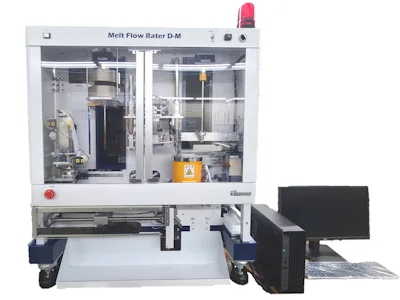
The Melt Flow Rater model D-M is a compact/bench-top Melt Flow Index Tester for determination of MFR (melt mass-flow rate) and MVR (melt volume-flow rate) in fully automatic mode according to ISO 1133 and ASTM D1238. Once samples are loaded to magazine, the sequence from sample filling to cylinder, MFR/MVR measurement, residue purging, data collection, and cleaning (cylinder/die/piston) is performed without human intervention.
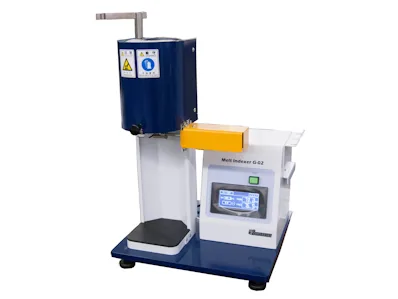
Melt Flow Index Tester (Melt Flow Indexer/Plastometer) is used for determination of MFR (melt mass-flow rate) and MVR (melt volume-flow rate), which are indicators of fluidity of thermoplastic polymer, according to ISO 1133 (JIS K 7210) and ASTM D1238. Specifications Options
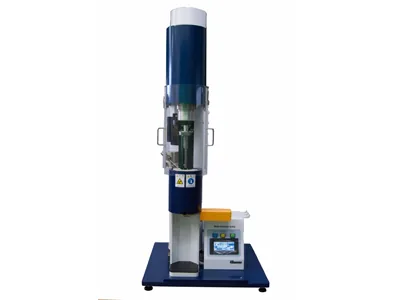
Multi-weight Melt Flow Indexer, G-02 is designed for ASTM D 1238 procedure D, multiple weights test. Up to 8 different weights can be used with automatic selection.
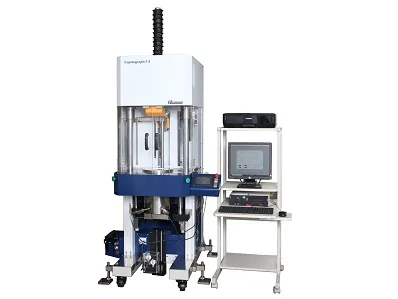
The Capilograph measures melt viscosity of polymers by detecting the shear rate and shear stress of melt polymer when it flows out of the capillary die. Die swell and melt strength can also be measured by equipping it with optional attachments. The twin bore barrel model (F-2) allows easy Bagley & Weissenberg-Rabinowitsch correction (for determination of true viscosity) or elongational viscosity calculation.
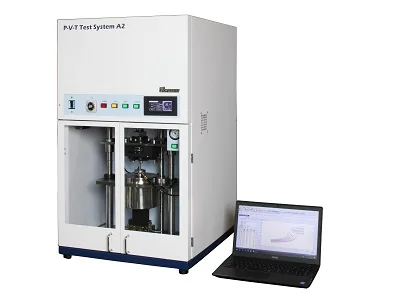
The relationship between pressure (P), specific volume (V), and temperature (T) during the melting and solidification of resin in injection molding and other processes is an important factor affecting shrinkage, sink marks, and deformation in the molding process. The understanding of these properties is essential as a database for CAE.
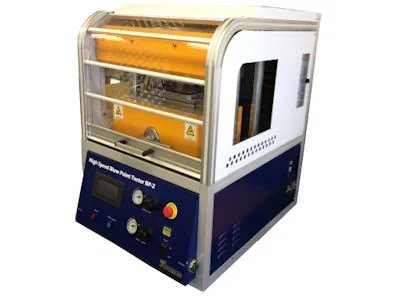
When a rubber-laden composite material is vulcanized under pressure, bubbles are generated within the material due to insufficient vulcanization in the final phase of the process. The blow point stands for the minimum vulcanization level required for eliminating the existence of these bubbles. To make a product with no bubbles in a shorter time of vulcanization, it is very important to measure the blow point.
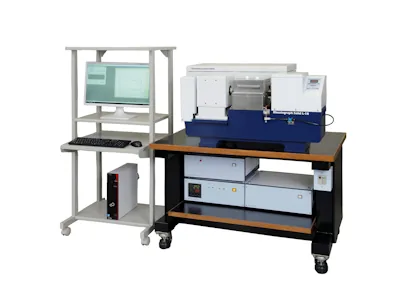
The Rheolograph™-Solid L-1R measures dynamic viscoelasticity of rubbers. Measurement control and data processing are fully automated by means of computer. This is the system with advanced functions and superb operation that makes further advances into measurement of viscoelasticity of rubbers.
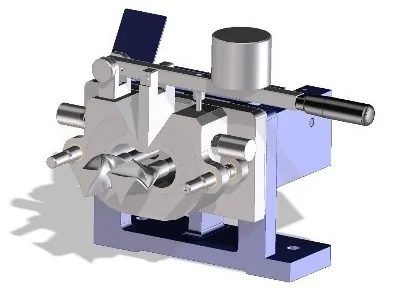
Mixer heating block, that is the sample kneading part of Labo Plastomill, contains 2 kneading blades rotating in same direction or two kneading blades rotating in different directions and resin temperature sensors. Mixing and kneading of sample filled in the mixer proceeds as it receives heat and shear from the blade and its state of melting, dispersion, distribution, steadiness, deterioration, curing reaction, cross-linking, heat generation, etc.
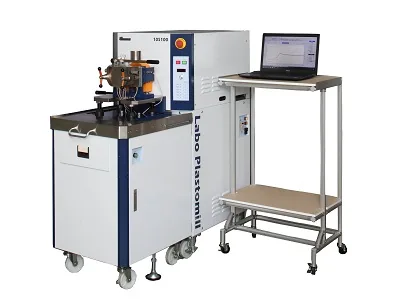
The Labo Plastomill™ incorporates small size mixer and extruder and is used to evaluate prosessability i.e. mixing, extruding, gelation, dynamic thermal stability, etc. of plastics and rubber, etc.
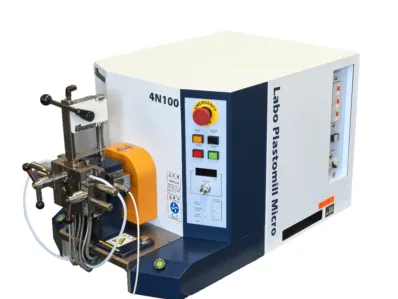
The Labo Plastomill™ Micro is a bench-top experimental system for evaluating kneadability and extrusion properties of very small quantities of laboratory synthesized samples, nanoparticle samples (such as carbon nanotubes, silica, titanium oxide), specialized and expensive samples, and composite materials in nature etc.
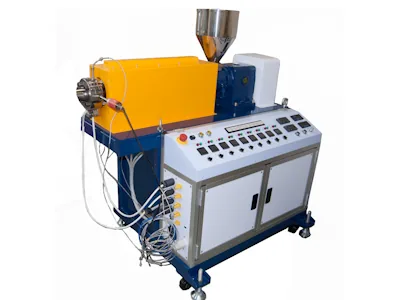
Laboratory-scale single-screw extruder that can share various options of the modular torque rheometer systems “Labo Plastomill”.
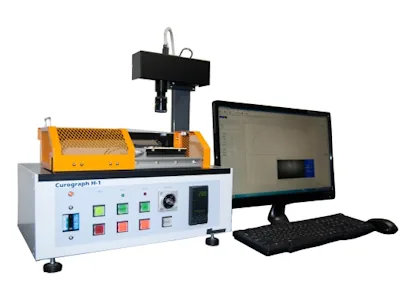
The drying and curing time of paints, inks, adhesives, etc. has traditionally been evaluated by the contact method. This non-contact measurement device, which adopts a laser interference technology, applies the laser light to sample surface and processes the spotted interference fringes pattern generated in the reflected laser light with its unique image processing technology.
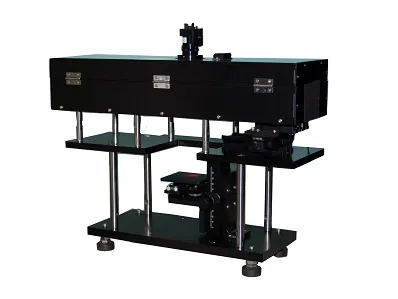
Evaluation of drying and curing status for paint coating, adhesives, etc. Using holograph technology enables analysis of phase from reflected light on coatings, which realizes visualization of image of drying spectrum and quantified evaluation of drying status from set-to-touch to touch dry by.